Textured vs Plain Khaddar: Which Should You Buy?
The difference between textured and plain khaddar — yarn, weave and look — and how to choose the right one for you.
Cash on Delivery across Pakistan · Free delivery on orders over Rs. 10,000
In the quiet lanes of Rajjar, a village in Charsadda district of Khyber Pakhtunkhwa, the rhythmic clack of wooden looms has shaped daily life for generations. Here, khaddar is not merely fabric. It is a living tradition, a tangible connection between the hands of local weavers and the people who wear it. Rajjar Khaddar stands apart from the machine-made cloth flooding markets across Pakistan. It carries the slight irregularities, the breathable texture, and the quiet dignity that only true handloom work can produce.
For those seeking authentic Pakistani textile heritage, understanding Rajjar Khaddar means looking beyond price tags and colour charts. It means recognising a craft that has survived industrialisation, changing climates, and shifting fashion preferences, largely because it still serves a practical and cultural purpose.
Charsadda has long been known for its agricultural richness and its textile traditions. Within this landscape, Rajjar emerged as a notable centre for handwoven cotton cloth. Families passed the skill of weaving from one generation to the next, often working in small home-based setups using traditional pit looms or frame looms. The process remains deliberately slow. Cotton yarn is prepared, sometimes dyed in earthy tones using methods that prioritise colour fastness over chemical intensity, and then woven one shuttle pass at a time.
This human scale of production is what gives Rajjar Khaddar its distinctive character. No two bolts are identical. Slight variations in tension, the occasional thicker yarn, and the subtle texture of the weave mark each piece as the product of individual hands rather than a factory line. In an era of mass production, these imperfections have become a mark of authenticity rather than a flaw.
The cloth has traditionally served everyday needs. Men’s shalwar kameez made from Rajjar Khaddar remain a staple for both formal occasions and daily wear, particularly in cooler months. The fabric’s ability to keep the body warm without trapping heat has made it a practical choice across seasons, especially in the variable climate of northern Pakistan.
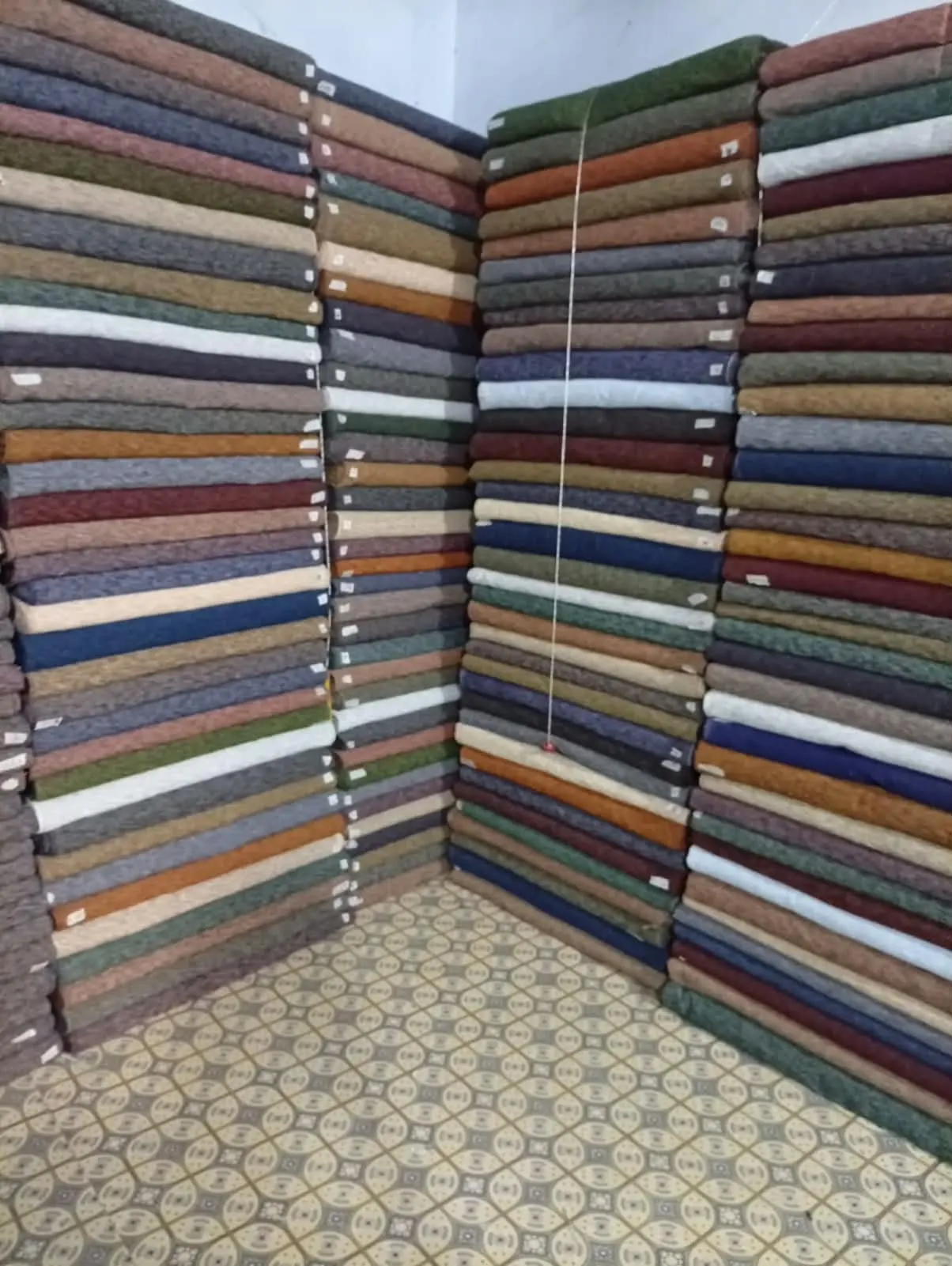
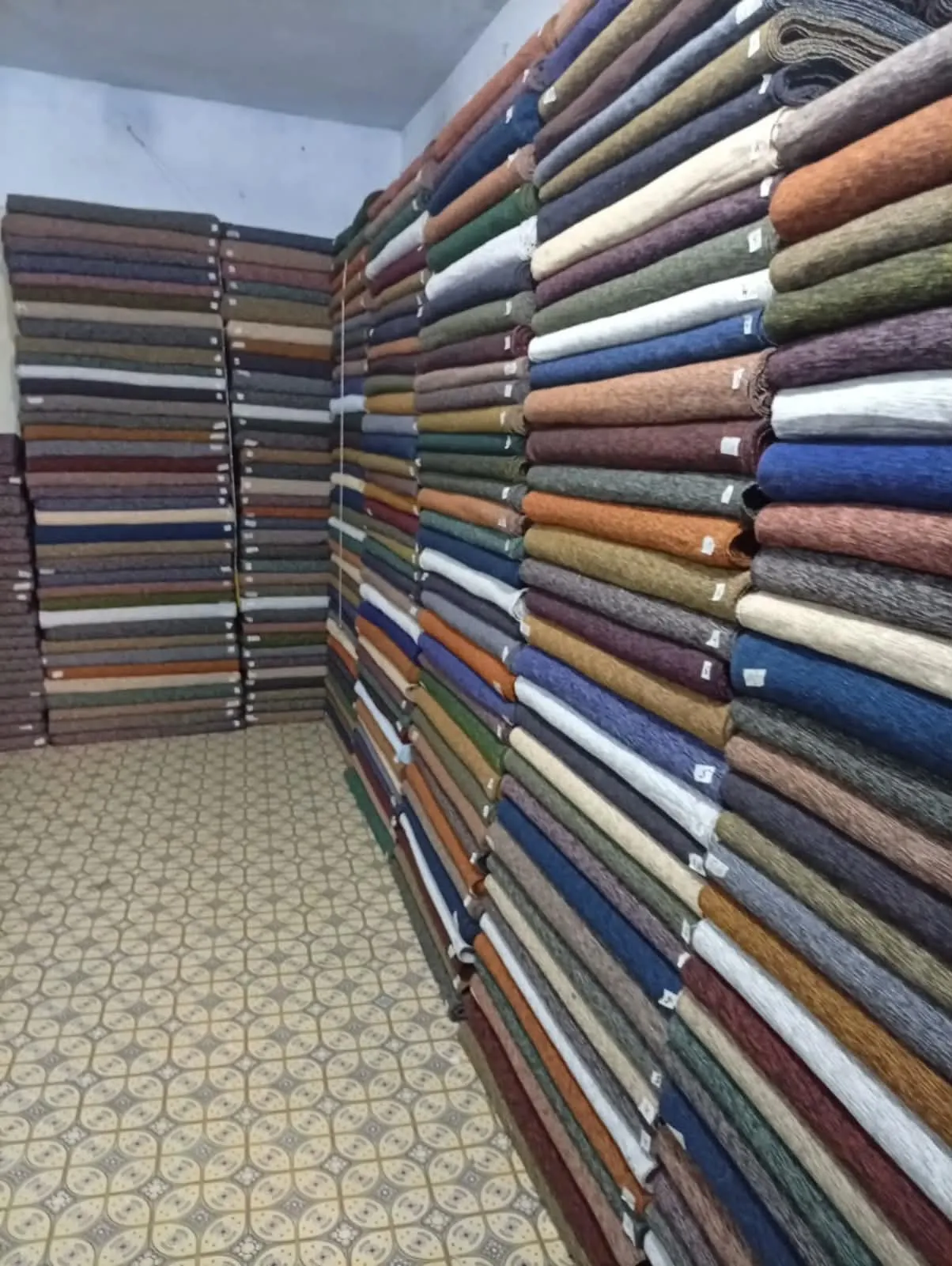
The process begins long before the loom. Quality cotton yarn forms the foundation. In Rajjar, weavers favour pure cotton that allows the finished cloth to breathe and soften with repeated washing. The yarn may be left natural or dyed in a range of colours, from classic whites and creams to deeper winter shades such as olive, chocolate brown, and camel beige.
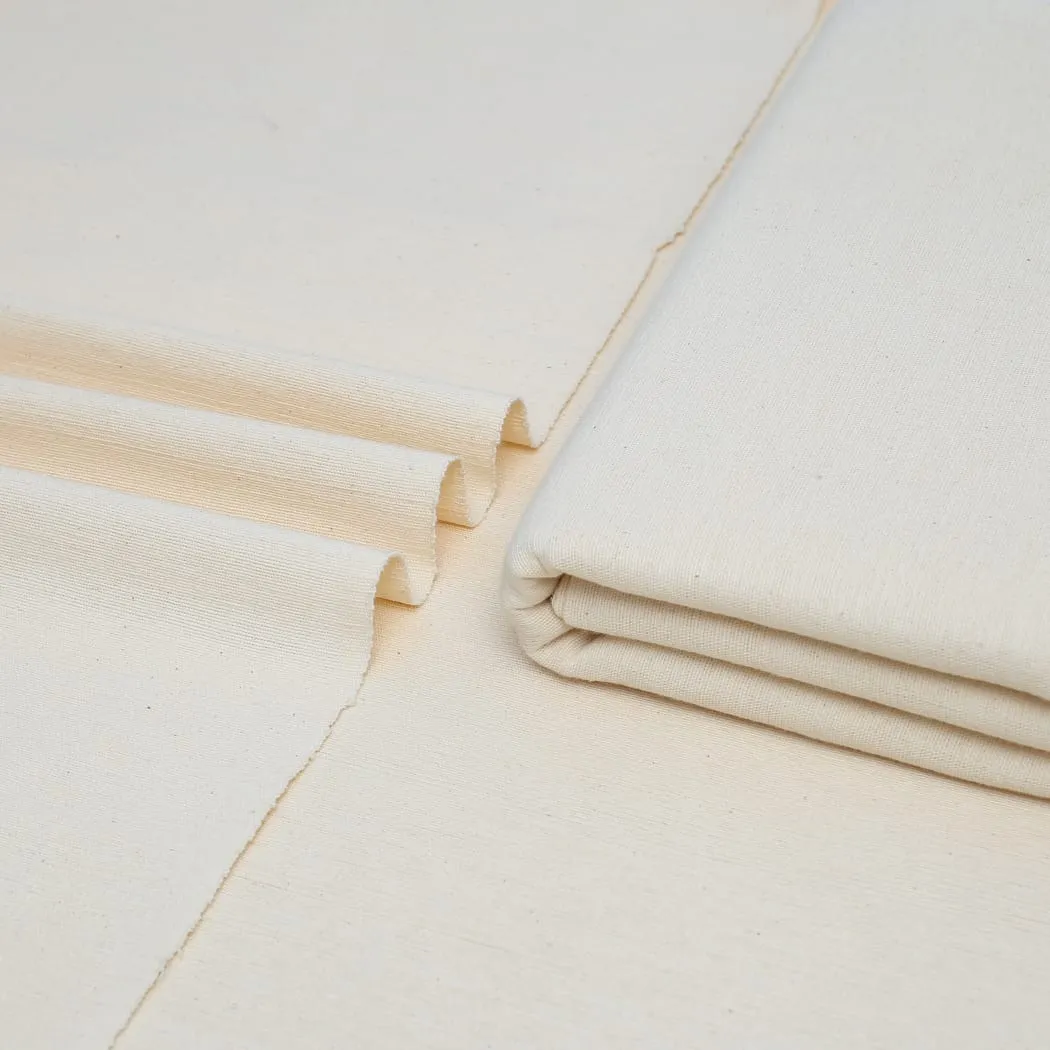
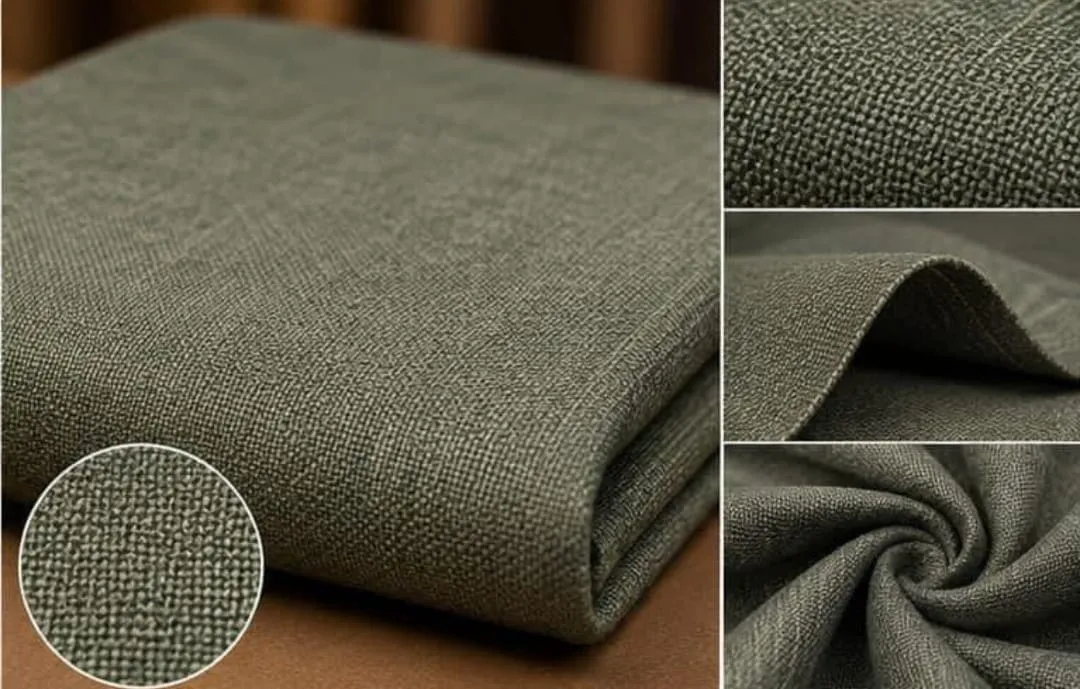
On the loom, the weaver works the warp and weft with practised precision. The shuttle is thrown by hand, and each row is beaten into place. This labour-intensive method produces a cloth with a gentle, uneven surface that machine looms struggle to replicate convincingly. The denser, more textured versions often use slightly thicker or marled yarns, resulting in a nubby hand-feel that many associate with traditional winter khaddar. Smoother plain weaves offer a cleaner, more polished appearance preferred for certain styles of shalwar kameez or waistcoats.
Because the work is done by hand, production remains limited. A single weaver can produce only a finite number of metres in a day. This scarcity is part of the value. When you purchase genuine Rajjar Khaddar, you are supporting not only a product but a network of families whose livelihoods still depend on these looms.
The growing popularity of khaddar has inevitably led to imitations. Machine-made versions can look similar at first glance, especially when photographed under flattering light. Several practical tests help identify authentic handwoven cloth.
Texture is the most reliable indicator. Genuine Rajjar Khaddar usually shows small slubs and slight irregularities in the yarn. The surface feels dry and tactile rather than slick or overly uniform. The selvedge edges tend to be less perfectly straight than those produced by industrial machines. When held up to light or examined closely, the weave reveals the human rhythm of its making.
Feel is equally important. Authentic handloom cotton softens noticeably with washing while retaining its structure. It drapes differently from synthetic blends or tightly woven power-loom fabric. Over time, many wearers notice that the cloth becomes more comfortable rather than less, a quality that machine-made alternatives rarely match.
Price can also offer a clue. Extremely cheap “khaddar” sold in bulk often signals industrial production. True handwoven cloth from Rajjar carries the cost of skilled labour and limited output. Buying directly from sources connected to the weaving community helps ensure both authenticity and fair compensation for the makers.
Rajjar Khaddar finds its primary expression in men’s unstitched suits, typically sold in lengths of around 4.5 metres. This amount is generally sufficient for a full shalwar kameez across most body types, though taller or broader individuals may request an additional metre. The fabric also works well for waistcoats, shawls, and, increasingly, women’s tailored pieces that value structure and breathability.
In colder months, denser winter weaves provide insulation without the weight of heavy wool. In milder weather, lighter plain khaddar remains comfortable for daily wear. The cloth’s ability to soften with each wash makes it suitable for frequent use. Many families treat well-made khaddar as a long-term wardrobe investment rather than a seasonal purchase.
For those who prefer traditional aesthetics, the earthy colour palette of Rajjar Khaddar aligns naturally with classic Pakistani menswear. Whites and off-whites remain popular for religious occasions and formal gatherings, while deeper tones suit everyday and winter dressing.
Proper care extends the life of the fabric significantly. Because pure handloom cotton can shrink slightly on the first wash, many experienced buyers recommend soaking the unstitched cloth in cold water before taking it to the tailor. After stitching, gentle washing in cold water, preferably by hand or on a delicate machine cycle, preserves both colour and texture. Drying in the shade helps maintain the richness of dyed shades. Ironing while the fabric is still slightly damp yields the best results.
Avoiding harsh detergents and high-heat drying protects the natural fibres. With consistent care, a quality piece of Rajjar Khaddar can remain wearable and attractive for years, developing a lived-in softness that many consider part of its charm.
Choosing authentic Rajjar Khaddar is also a decision about the kind of economy one wishes to support. When cloth is purchased through channels that connect directly with weaving families, a larger share of the value remains in the community that produces it. This matters in a region where traditional crafts face pressure from cheaper industrial alternatives, rising material costs, and changing weather patterns that affect cotton production and demand.
The survival of handloom weaving in places like Rajjar depends on continued demand from people who value the difference between genuine craft and mass-produced substitutes. Every metre purchased supports not only individual artisans but the transmission of skill to the next generation.
Rajjar Khaddar endures because it continues to meet real needs. It offers comfort, durability, and a quiet cultural resonance that synthetic or factory-made fabrics struggle to match. In a market increasingly dominated by speed and uniformity, the deliberate pace of the handloom produces something rarer: cloth that carries the evidence of human work.
Whether chosen for a formal shalwar kameez, a practical winter suit, or simply for the satisfaction of wearing something made with care, genuine Rajjar Khaddar represents more than material. It represents continuity. In the looms of a Charsadda village, that continuity remains audible, one shuttle pass at a time.
For those ready to experience the difference, the most reliable path remains seeking out cloth that can be traced back to the weavers themselves. The texture, the drape, and the gradual softening with wear will confirm what the eyes and hands already sense: this is khaddar made the way it has always been made in Rajjar.
Pure Rajjar khaddar, delivered to your door with Cash on Delivery.
Browse the collectionThe difference between textured and plain khaddar — yarn, weave and look — and how to choose the right one for you.
Simple steps to pre-shrink, wash, dry and iron handwoven khaddar so it stays soft and keeps its colour.
Where Rajjar khaddar comes from, how it’s woven, and how to tell genuine handloom cloth from machine-made copies.